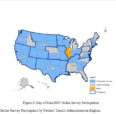
The UTC team analyzed ridership data prior to and following the implementation of these programs. A survey of Senior Ride Free pass holders was conducted to understand travel behavior changes. Demographic trends in senior populations were used to estimate the potential future impact of the Senior Ride Free Program on transit systems.
At the current time, several transit agencies around the country are making use of Bus on Shoulders (BOS) as an operating strategy. Pace Suburban Bus has conducted preliminary feasibility work on this topic and has identified several corridors where such a strategy might relieve congestion in the Chicago metropolitan area. However, a more detailed study is required to evaluate institutional issues related to BOS operations and design in the Chicago metropolitan area and potentially identify facilities where BOS strategies can be implemented.
Researchers set out to demonstrate how selection among different types of station coverage infrastructure may mitigate the loss of ridership due to extreme weather.
Illinois Department of Transportation (IDOT), Metropolitan Transportation Support Initiative (METSI)
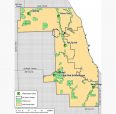
Assist McHenry County staff and consultant to investigate the non-automobile needs of McHenry County residents and workers. This entails the following:
1. Overcome existing mobility barriers.
2. Connect to the regional transit network.
3. Improve options for accessing jobs.
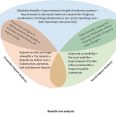
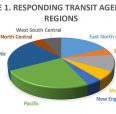
This report provides a descriptive summary and assessment of aggregate survey responses. Findings are presented in four parts: recent experience with extreme weather; perception of weather and climatic risks; assessment of organizational priority, capacity and challenge of managing extreme weather; organizational responses and adaptation to extreme weather events.
Bogota has an extensive bus rapid transit system (BRT) called TransMilenio, which serves many areas of the city on exclusive bus-only lanes. The system is composed of over 1,000 articulated buses operating on eight different routes.
IDOT/METSI and Center for Urban Transportation Research (CUTR)
This study focuses on creating a hypothetical public transportation option to reaching a leisure destination in a large metro area to highlight the adequacy of the existing transit network in catering to the needs of disadvantaged population groups.
Metropolitan Transportation Support Initiative (METSI)
The objectives of this study were to better understand the commuting patterns of the workforce in healthcare institutions, explore the factors that impact commuting behavior and environmental impacts, identify opportunities for reducing transportation-related environmental impacts, and suggest policy interventions that aim to reduce transportation-related emissions inherent in health care provision
The Chicago Transit Authority, Chicago Transit Partners
Project topics range from policy-oriented themes to practical applications for the CTA. Research projects include corridor analysis, the development of AVL data, standards for station design, public perception of safety and methods for addressing the needs of disabled riders, among others.